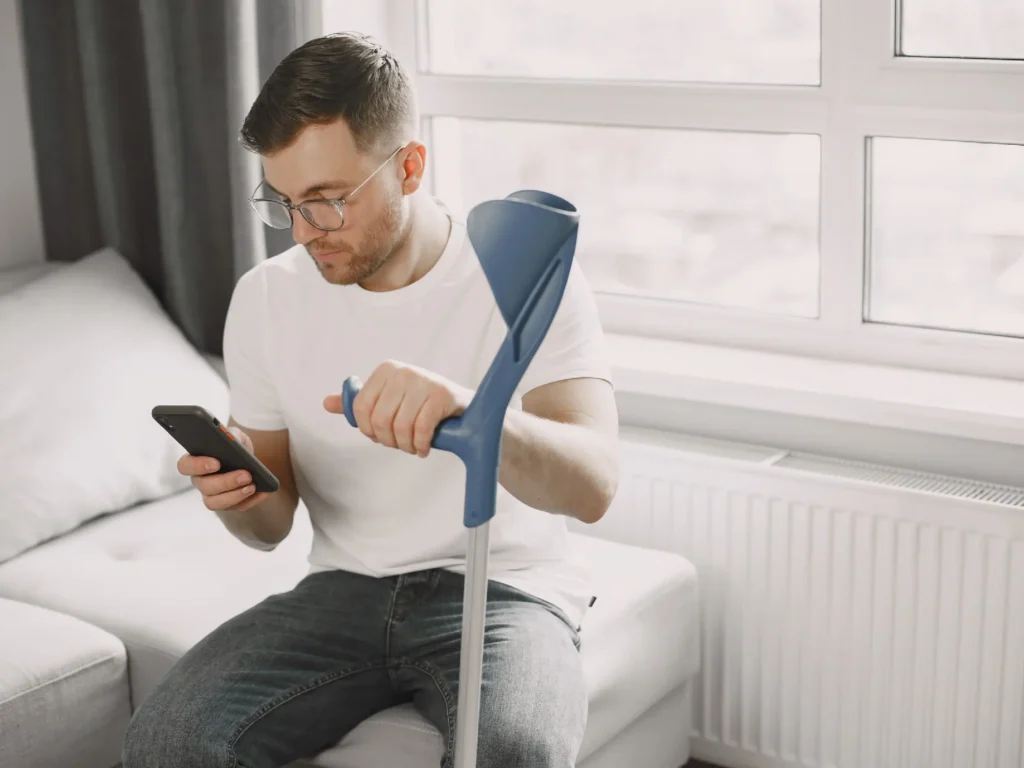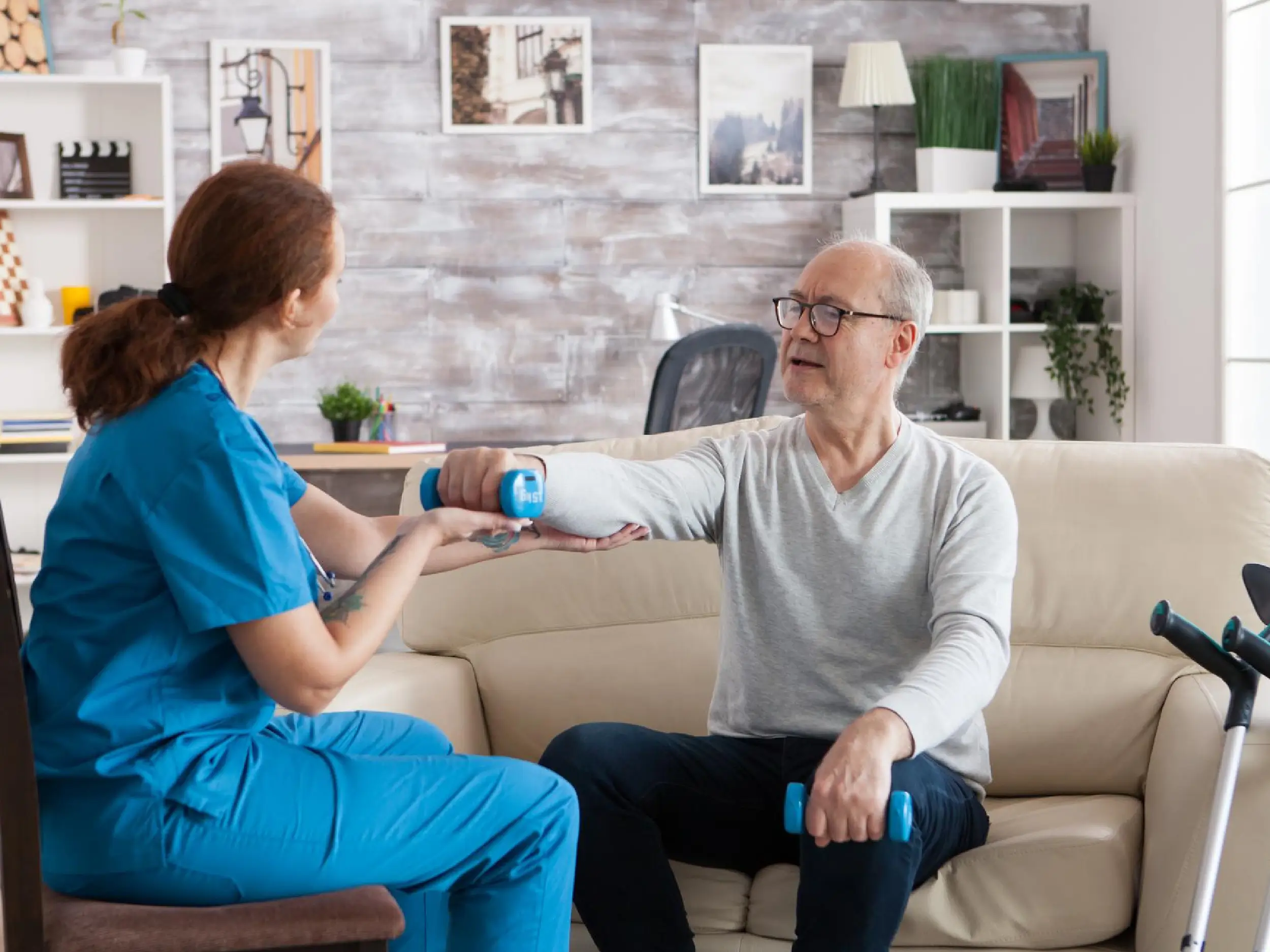
Recovery after an injury is about more than waiting for pain to go away. It’s the process of helping your body heal so you can get back to doing the things you enjoy and rely on every day. Whether that’s walking comfortably, picking up your children, returning to work, exercising again, or simply moving with confidence, recovery looks a little different for everyone.
While every recovery plan is different, most focus on helping you:
Your recovery plan will be based on your specific injury and needs. Staying consistent with the plan your care team recommends can help you keep moving forward, even when progress feels slow.

The honest answer is: it depends. Some people recover in a few weeks, while others need several months. That’s completely normal. The most important thing is to keep showing up for your recovery, even on days when progress feels slow. Small, consistent efforts make a big difference over time.
It is important to note that two people with the same injury may still recover at different speeds. Several factors – including age, overall health, sleep, stress, treatment consistency, and prior injuries – all play a role.
Try not to compare your recovery to someone else’s. Even people with the same injury often heal at different speeds, and that doesn’t mean you’re doing anything wrong.
While you can’t control every factor that affects healing, you can control things like following your treatment plan, getting enough sleep, staying active at the right level, and taking care of your overall health.
MSK recovery rarely follows a straight line. It happens in many stages, and there may be times when you feel like you are not making any progress. This is a normal, expected part of healing. One of the most frustrating parts of recovery is that progress isn’t always easy to see. Pain and swelling often improve first, but rebuilding strength, flexibility, and confidence takes longer. Even when it doesn’t feel like much is changing, your body is still healing. Keep following your recovery plan. Small improvements add up over time, even if they don’t happen as quickly as you’d like.
Physical therapy isn’t just about helping you feel better today. It’s designed to help you heal correctly so you can move safely, rebuild strength, and lower your chances of getting hurt again.
What physical therapy actually does:
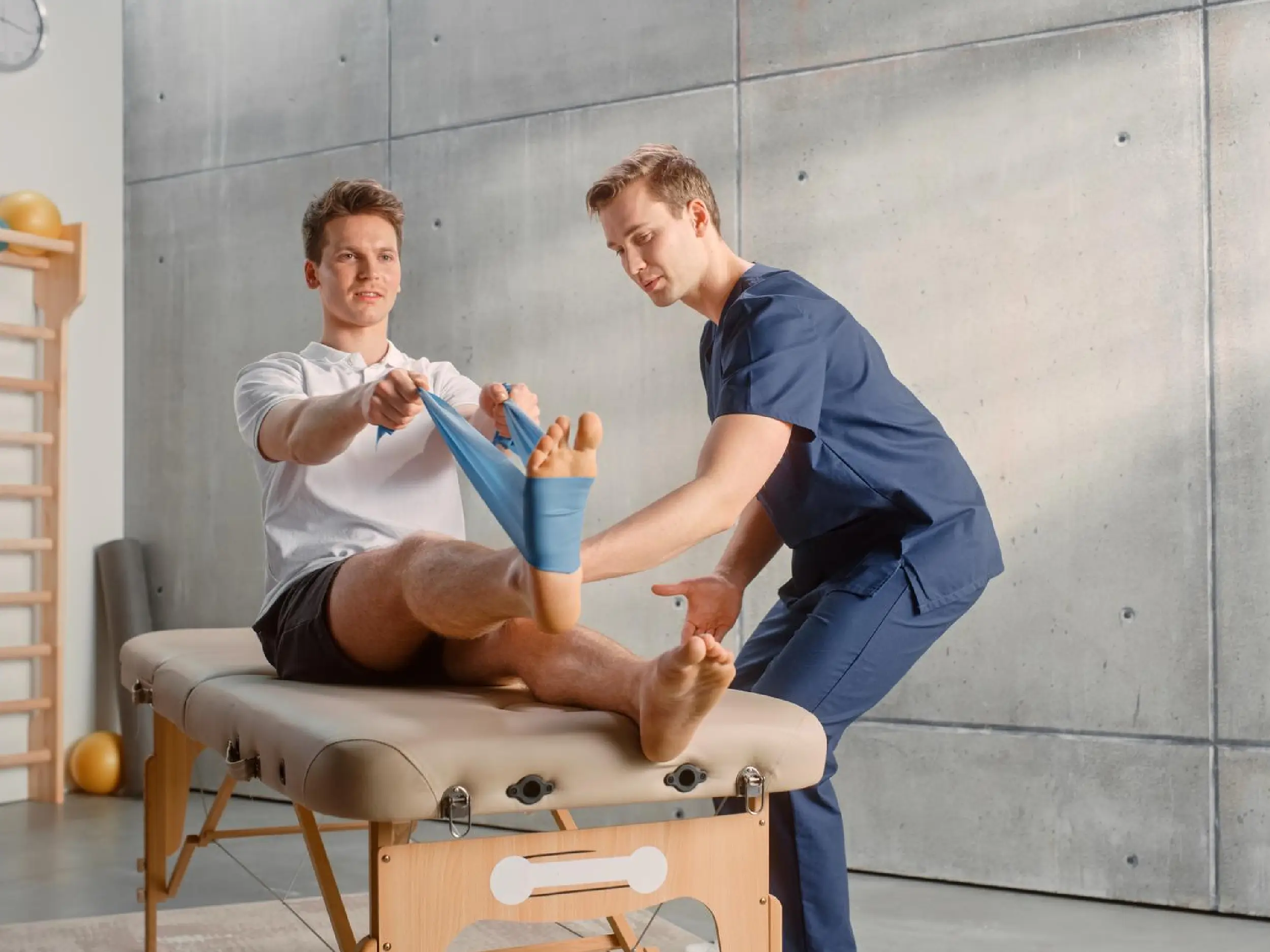
Physical therapy helps your body heal the right way. Your therapist will guide you through exercises that improve strength, flexibility, balance, and movement while helping you safely return to everyday activities. It also helps reduce the chances of lingering pain or reinjury by making sure your body regains the support and movement it needs before you return to normal activities.
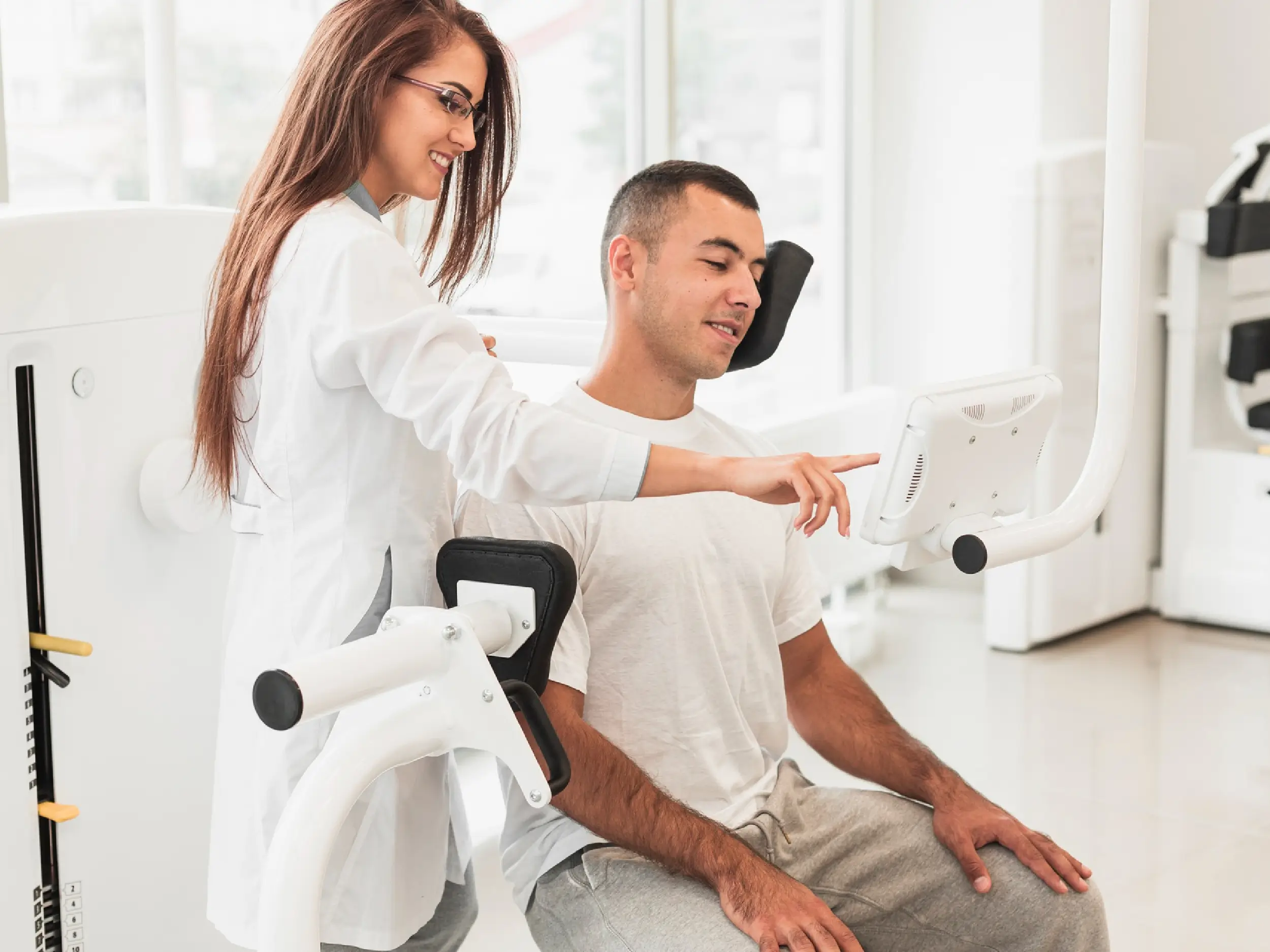

People often stop because:
The problem is that pain often improves before your body has fully regained its strength and stability. Finishing your therapy program gives you the best chance of making a full recovery and reducing the risk of reinjury.
Even small setbacks can delay recovery, so avoiding these common mistakes can help keep you moving forward.
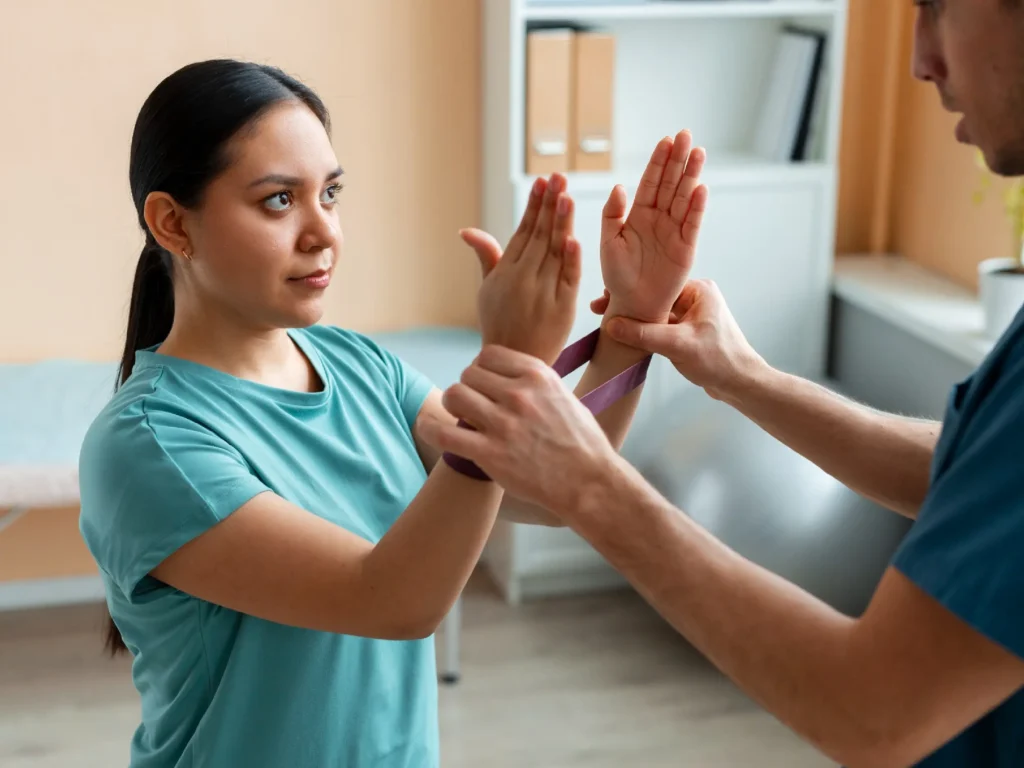
Most of your recovery happens between appointments, not during them. The exercises you do at home, how you’re feeling each day, and the progress you make over time all play an important role in helping you recover.
Technology can help you stay connected to your recovery even when you’re not in the clinic. Instead of relying only on what happens during your next appointment, it gives you and your care team a better picture of how you’re doing day to day.
Tracking your progress can also be incredibly motivating. On days when recovery feels slow, looking back at how far you’ve come can remind you that healing is happening, even if it doesn’t always feel that way.
It also makes it easier to share concerns with your care team between visits. If something changes, they may be able to adjust your recovery plan sooner instead of waiting until your next appointment.
Recovery isn’t something you have to navigate alone. Plethy helps keep you connected to your care team throughout your recovery by making it easier to follow your program, understand your progress, and stay engaged between appointments. Because recovery doesn’t just happen during clinic visits. It happens every day.